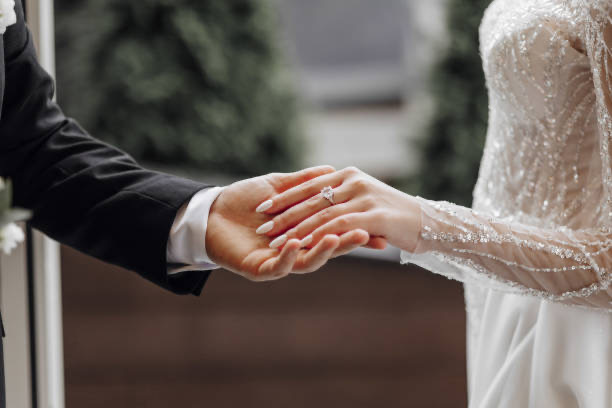
Weddings
Ceremonies, cocktails, dinner, and dancing beneath the room's historic architecture.
Explore Weddings833 South Spring Street · Downtown Los Angeles
Before it became Historic Dancehall, 833 South Spring Street was a civic club, an elegant dining room, a Jazz Age nightspot, a famous downtown dance hall, a creative workspace, and a production venue. For a century, people have come through these doors to debate, dine, perform, dance, film, celebrate, and gather.
City Club · Nightlife · Roseland Roof · Production · Historic Dancehall
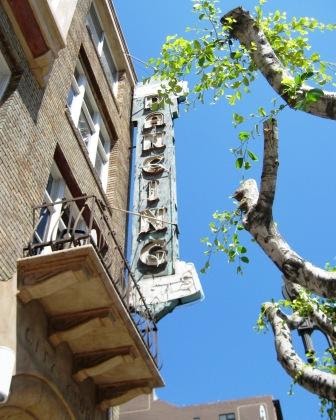
Spring Street
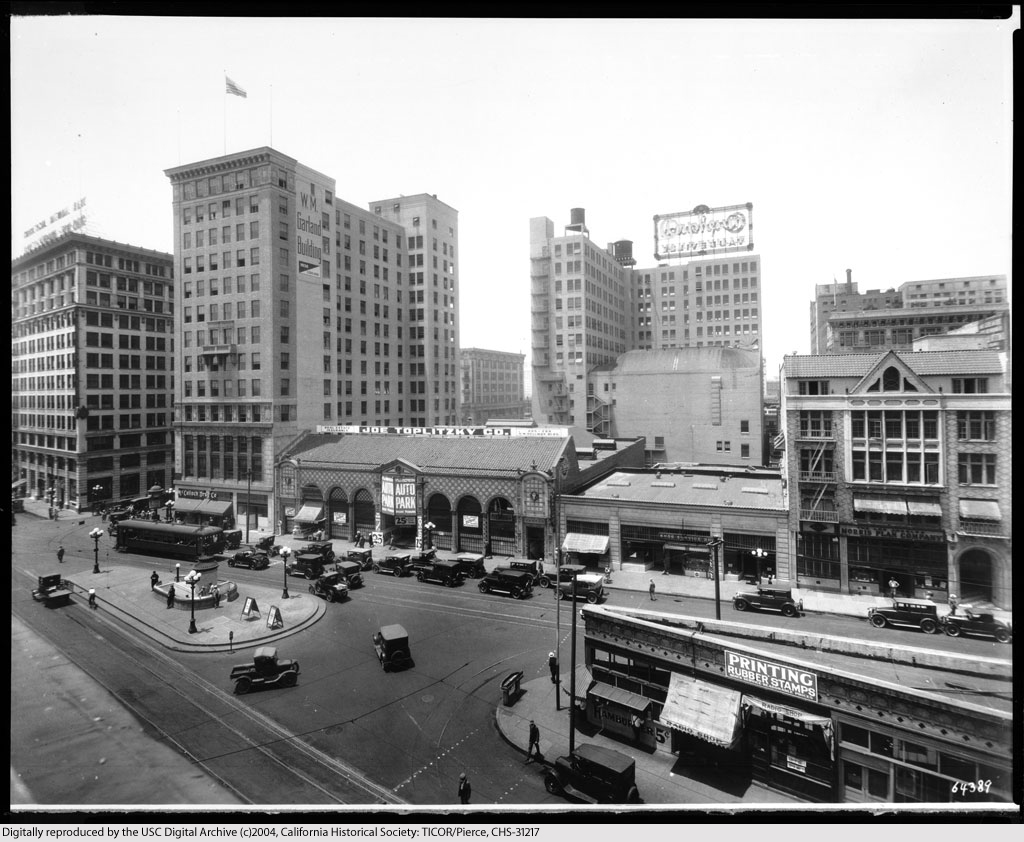
In the 1920s, Spring Street sat at the heart of Los Angeles business life. The city was booming. Banks, stock exchanges, offices, theaters, streetcars, automobiles, hotels, and entertainment were transforming downtown block by block.
One block west was Broadway and its great movie palaces. 833 South Spring Street rose in the middle of that changing city — and the Los Angeles City Club chose the location deliberately, believing the business district was expanding southward.
Spring Street was one of the central corridors of Los Angeles business and civic life.
1924–1932
The Los Angeles City Club was founded in 1907 by civic reformer Meyer Lissner. By the mid-1920s the organization counted roughly 2,500 members drawn from business, government, law, finance, academia, and the professions.
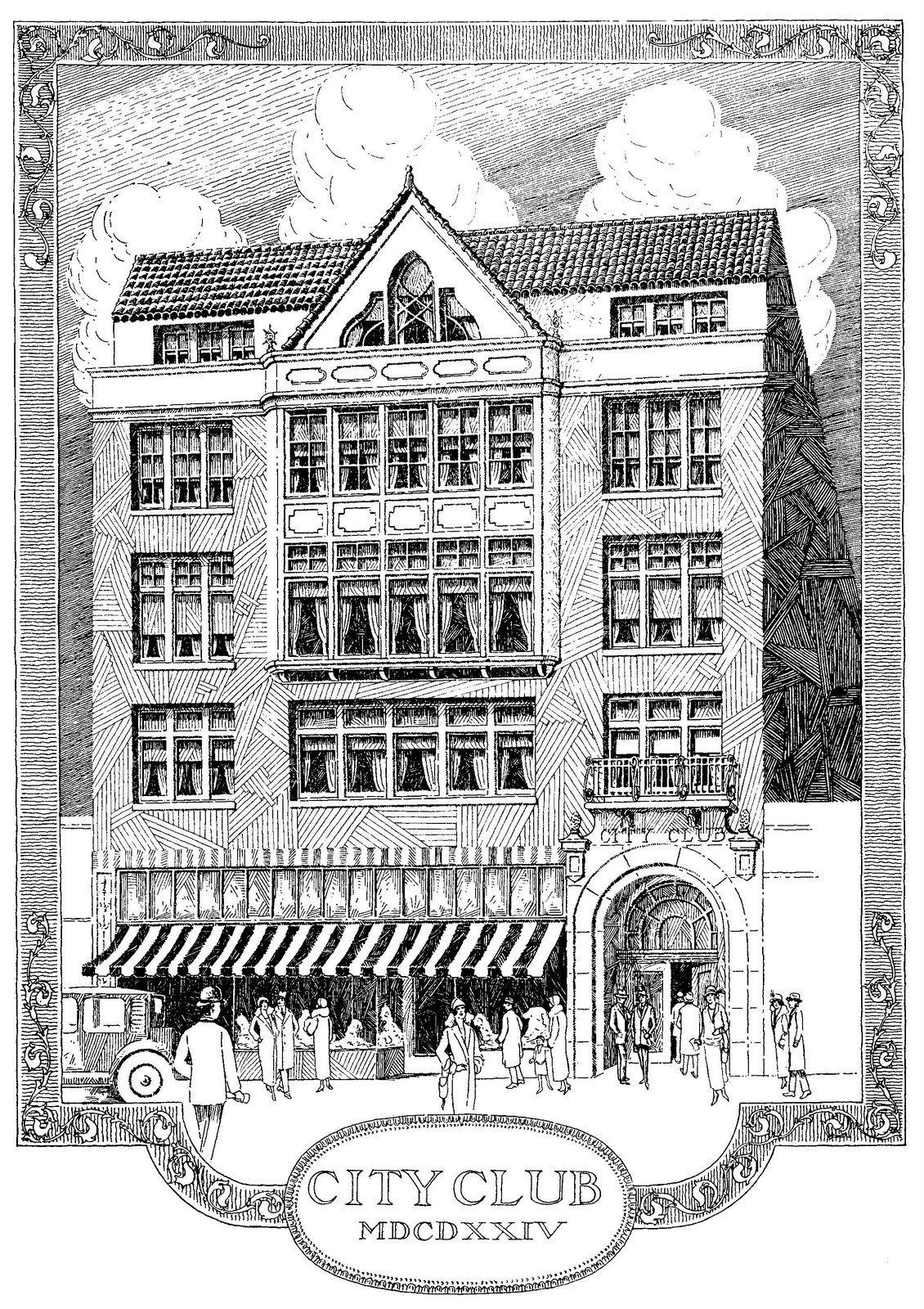
The club built its new headquarters at 833 South Spring Street. Architect Loy L. Smith designed the building; the City Club occupied the upper floors. Historical accounts describe the architecture as a form of “modified medieval baronial” design.
Its grand fourth-floor dining room featured:
The room hosted lectures, debates, recitals, meetings, and civic gatherings. Speakers before the City Club represented dramatically different viewpoints, among them Upton Sinclair and William Mulholland.
City Club Building, 833 South Spring Street. Architectural illustration from a City Club of Los Angeles souvenir bulletin, 1924.
This was a place where Los Angeles argued about Los Angeles.
“It is only by the clash of ideas that we get the best.”
City Club of Los Angeles
Continuity
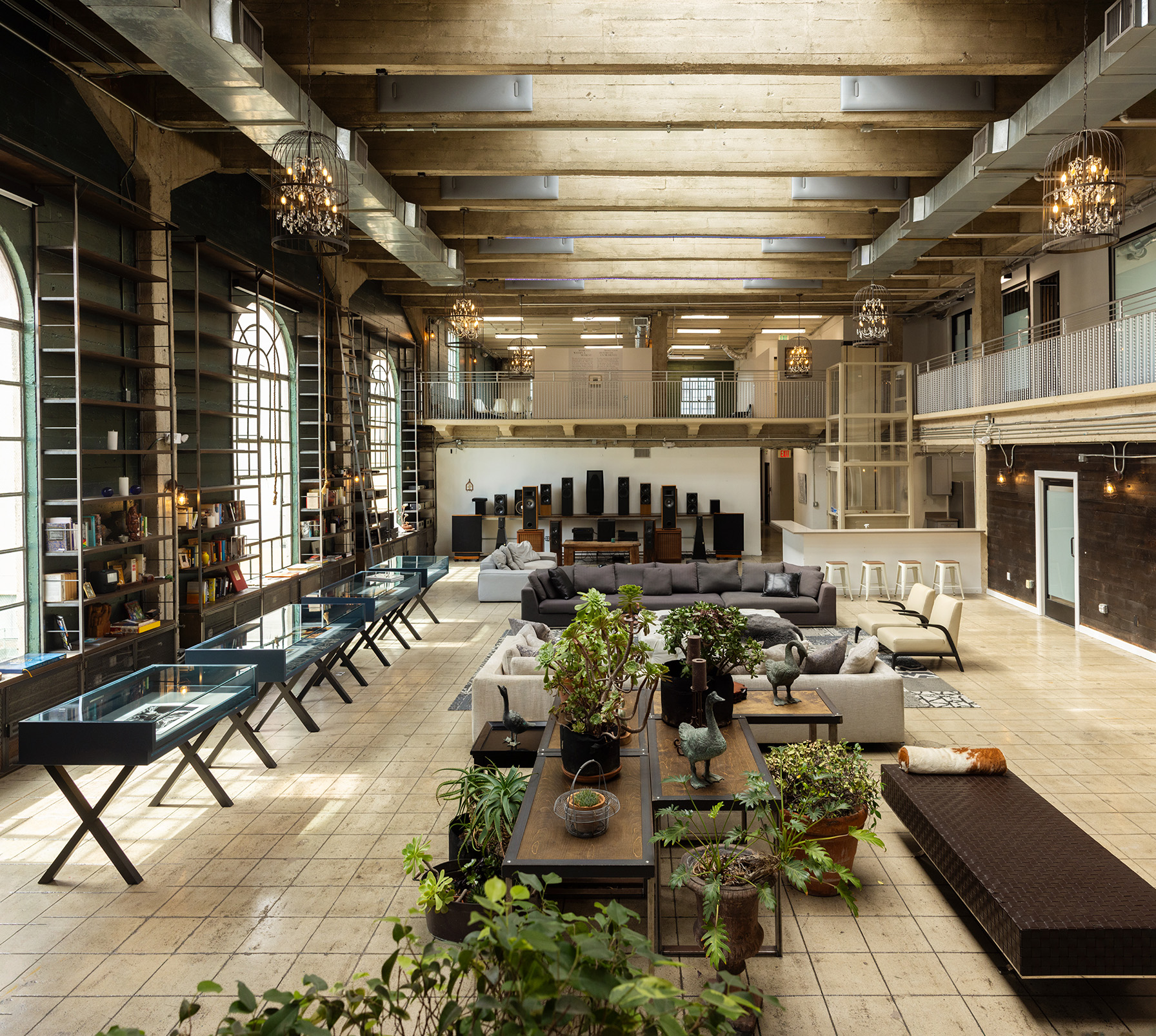
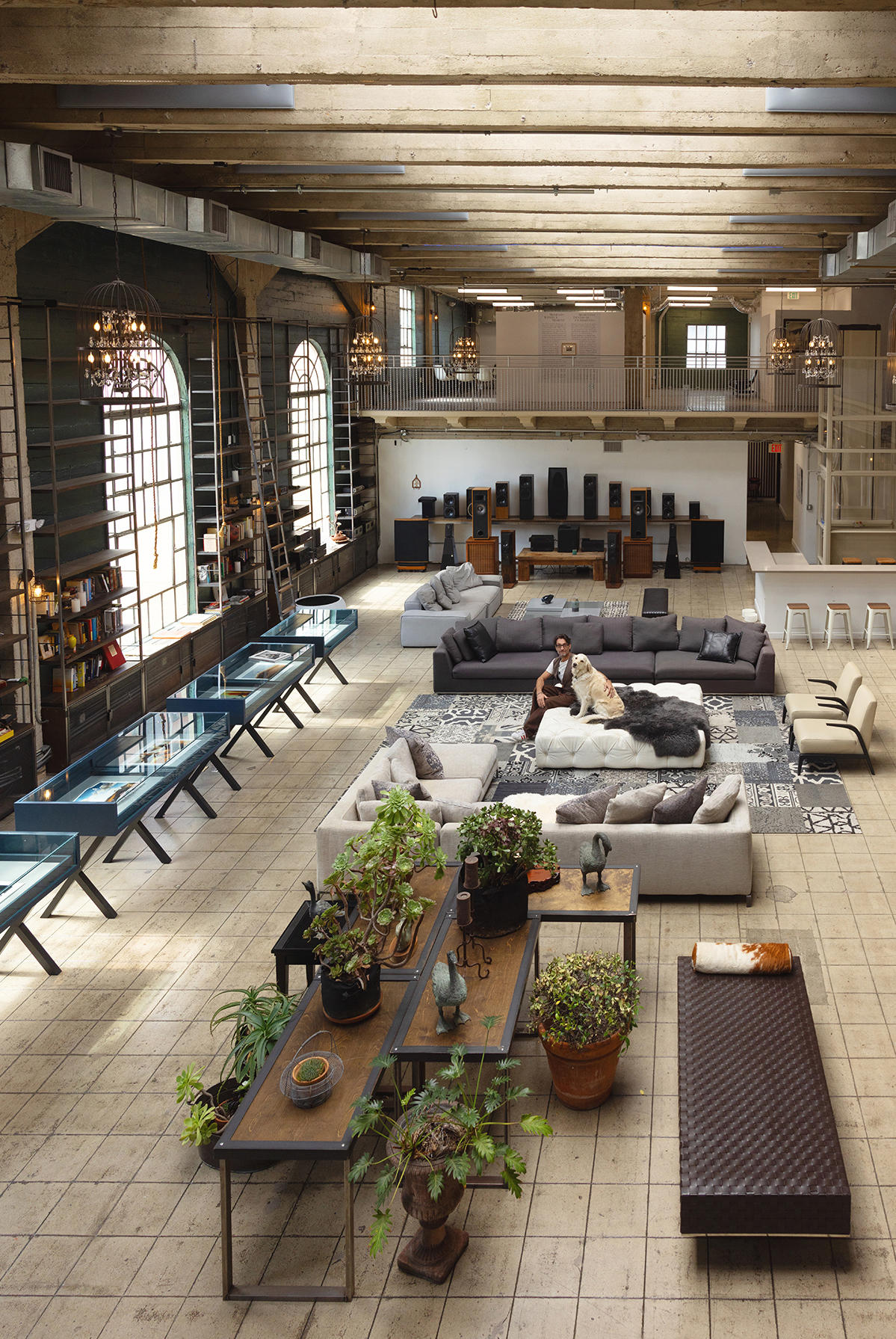
The arched windows, gallery relationship, and extraordinary volume of the room still connect today's Historic Dancehall to its earliest life as a place for people to gather.
Then
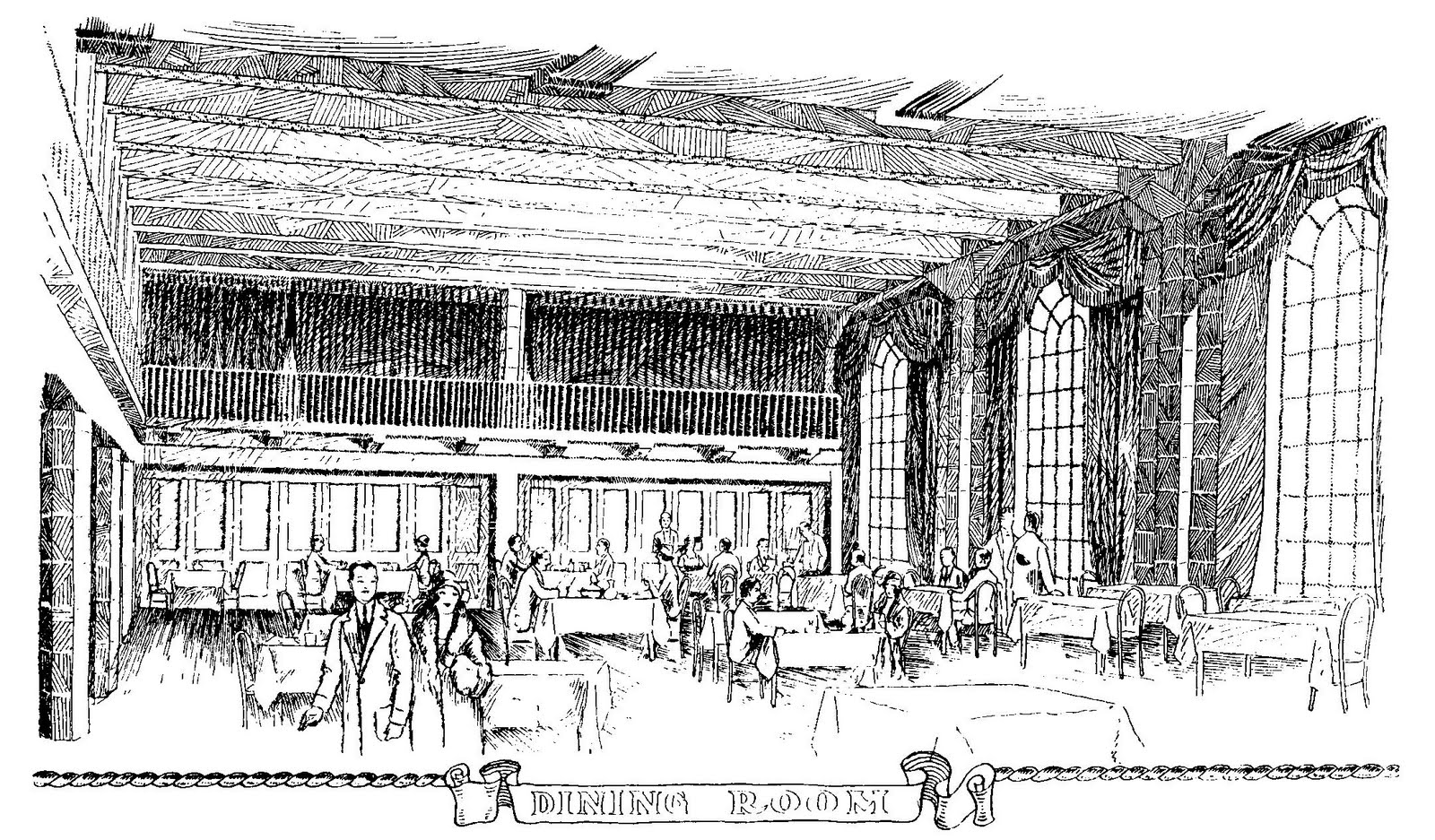
The City Club dining room, drawn for the club's own literature in the mid-1920s.
Now
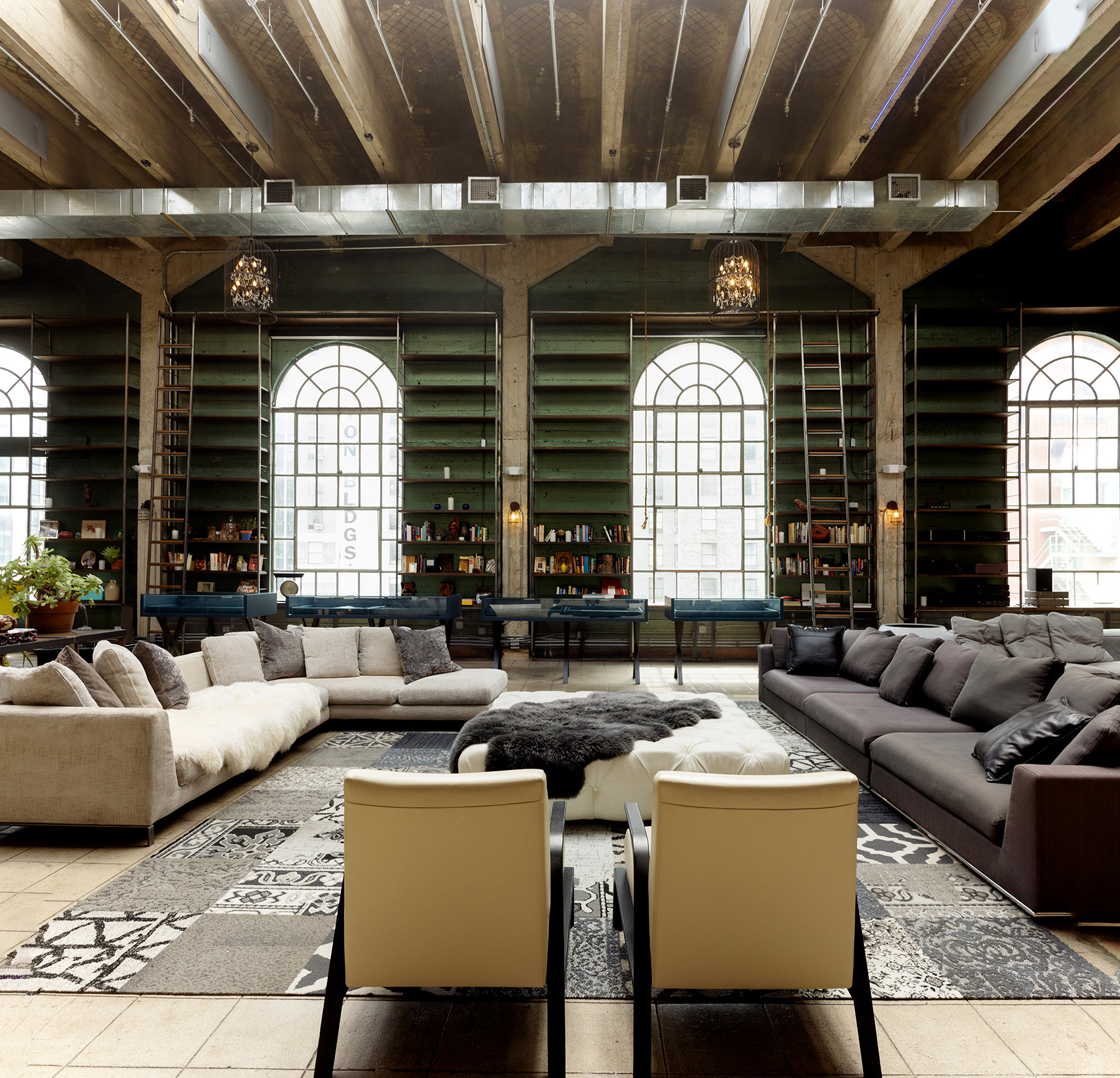
Historic Dancehall, fourth floor, 833 South Spring Street, today.
The Building
From its beginning, 833 South Spring wasn't simply a room. It was a vertical piece of downtown civic life.
Upper Floors
City Club dining, lounges, meeting rooms, a library, billiards, and administrative spaces.
Ground Floor
The Morris Plan Company, a lending institution serving borrowers who might not otherwise have obtained traditional bank loans.
Offices
Professional and civic tenants over time included organizations associated with engineering, municipal affairs, accounting, dentistry, paleontology, and other professional societies.
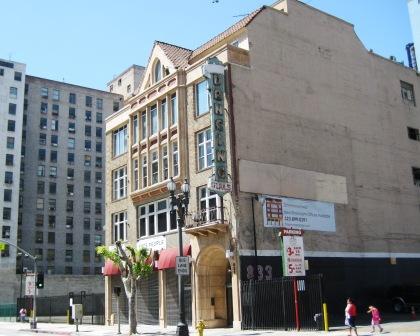
833 South Spring Street from across the intersection.
1932–1938
By the early 1930s, downtown Los Angeles was changing. The Depression, new transportation patterns, the rise of the automobile, declining downtown property values, and the westward movement of commercial activity all altered Spring Street.
The City Club disappeared from 833 South Spring in 1932, and its dignified dining room entered a very different chapter. The 833 Club opened as an exclusive members-only nightspot: live jazz, dancing, a fashionable clientele — and, behind the scenes, illegal gambling.
Later in the decade, the Forty-One Club carried the room further into Los Angeles nightlife, with orchestras, floor shows, and entertainment.
The same room that had hosted civic debates was suddenly hosting jazz, dancing, nightlife—and the occasional visit from the vice squad.
1938
In late 1938, the grand former City Club dining room became the Roseland Roof — a taxi-dance hall. Customers paid for time on the dance floor with professional dance partners, a once-common form of urban entertainment sometimes described as “a dime a dance.”
It was live music and downtown social life at street level and above it: an economy of dances sold by the song, women working independently in the city, out-of-town visitors, regulars, and anyone looking for an evening of music and company.
The name changed. The architecture didn't. Beneath the same high ceiling and beside the same great windows, the room became a dance floor.
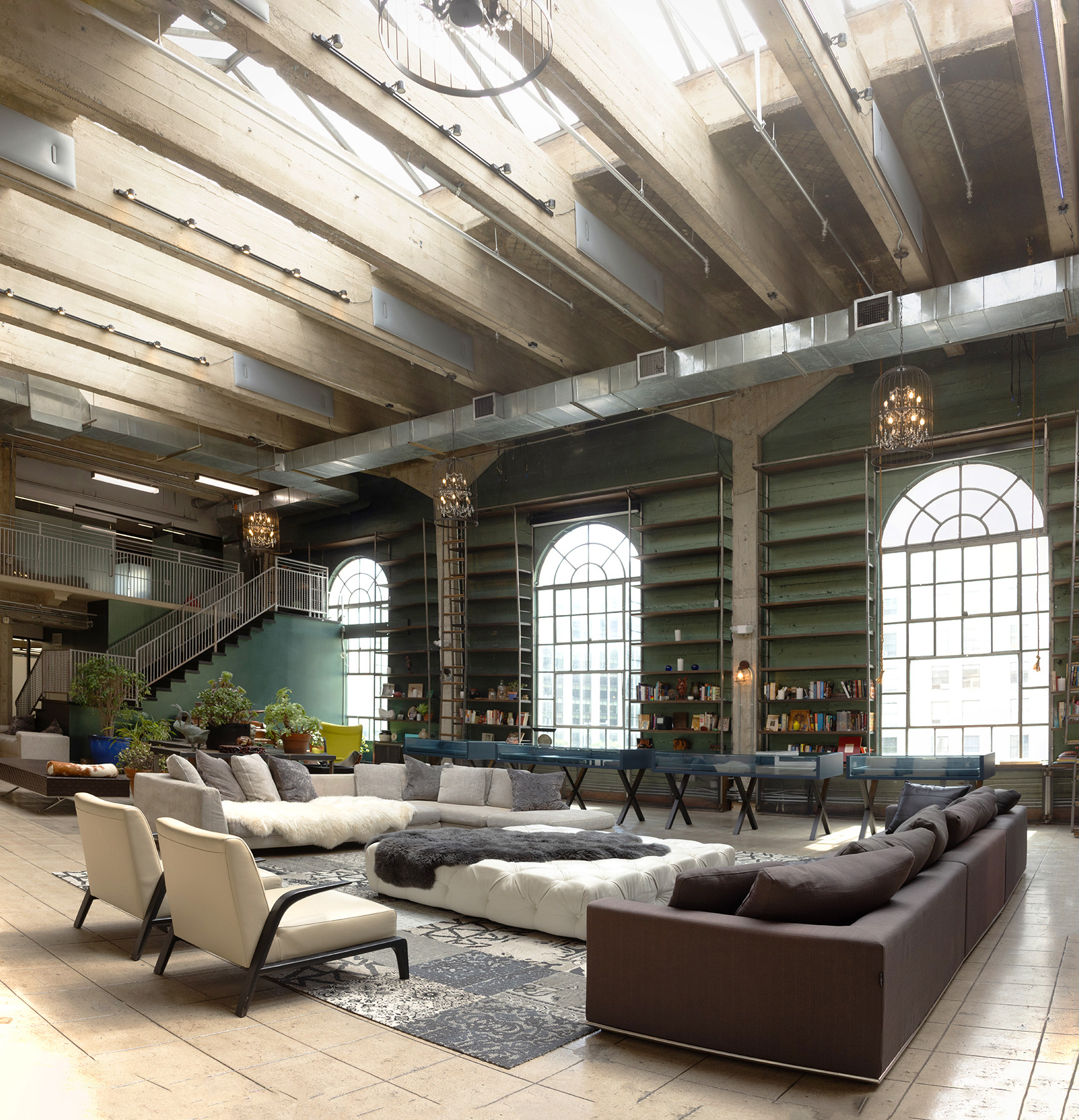
The same windows, today. The room's proportions have outlasted every name it has carried.
1943–1980
For more than thirty years, people kept coming upstairs.
In 1943, brothers Ben and Ed Fenton acquired the Roseland Roof. They operated it for more than three decades, through an era in which downtown Los Angeles changed around them.
The Roseland had a six-piece live band, a dress code, dancing, and hostesses. Its clientele included businesspeople, visitors, regulars, and people simply looking for conversation and company. Men were expected to wear neckties. According to later recollections, conversation could matter as much as dancing.
The Fentons remained until 1980.
1980s–2000
After the Fentons retired, the Roseland Roof continued under new management and changed hands again. By the end of the twentieth century, the fourth-floor dance hall operated under the Dreamland name, and the famous vertical sign remained on Spring Street.
A 1999 account still described patrons riding upstairs to a darkened dance hall where the old taxi-dance tradition survived decades after similar venues had disappeared from most American cities. Around 2000, that era came to an end.
2000s
After the dance-hall era ended, 833 South Spring kept reinventing itself. Through the 2000s the building drew artists, photographers, gallery uses, music, events, fashion and design businesses, and creative studios.
By 2009, the property was being renovated and marketed as the Primrose Design Building. The infrastructure was updated while much of the building's historic character remained. The room was beginning another life.
Recent Years
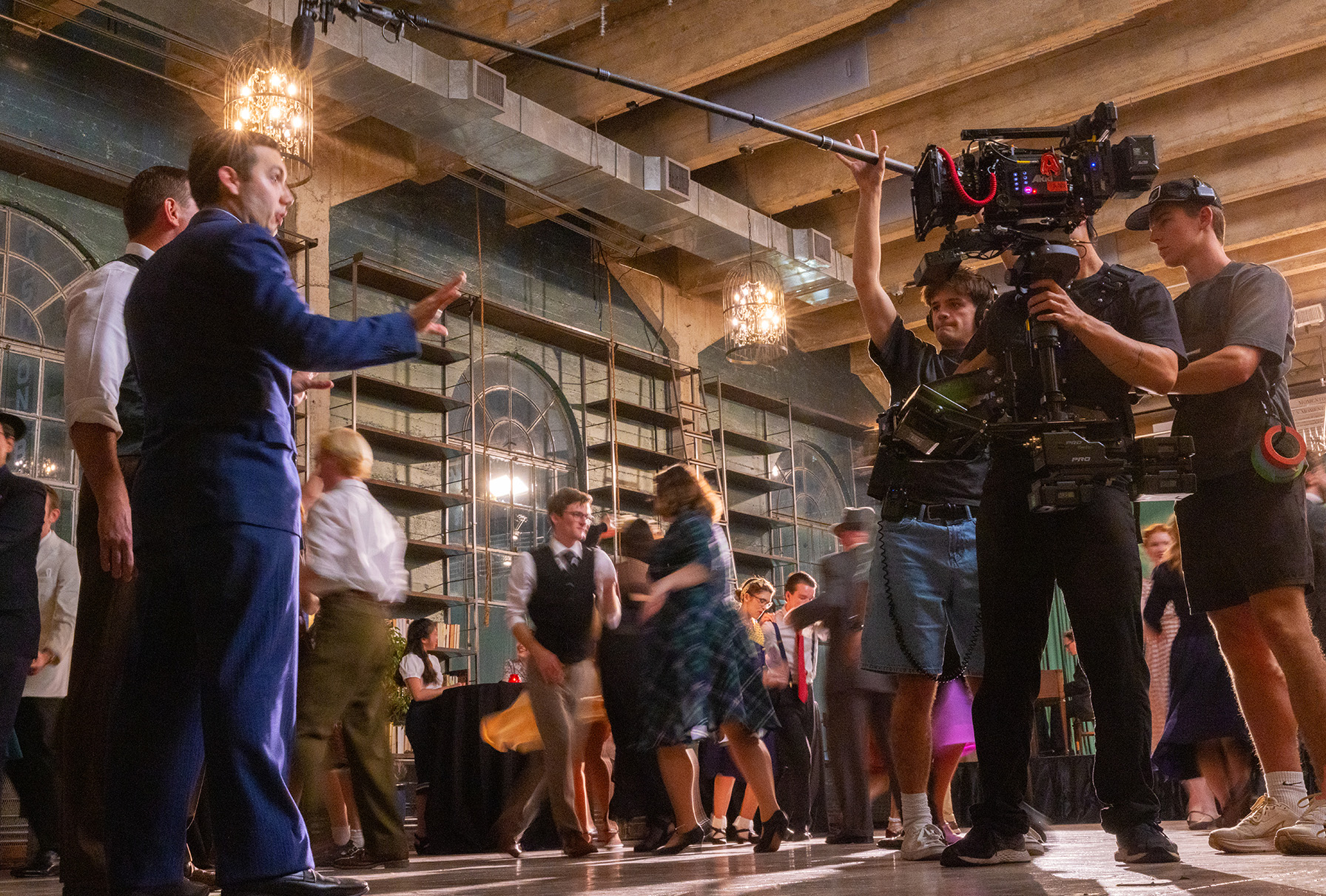
In more recent years, the space has been used for creative production—including work connected to American Idol—as well as photography, events, technology, and other creative enterprises.
In 2026, American Idol moved its traditional Hollywood Week round from Los Angeles to Nashville for the first time.
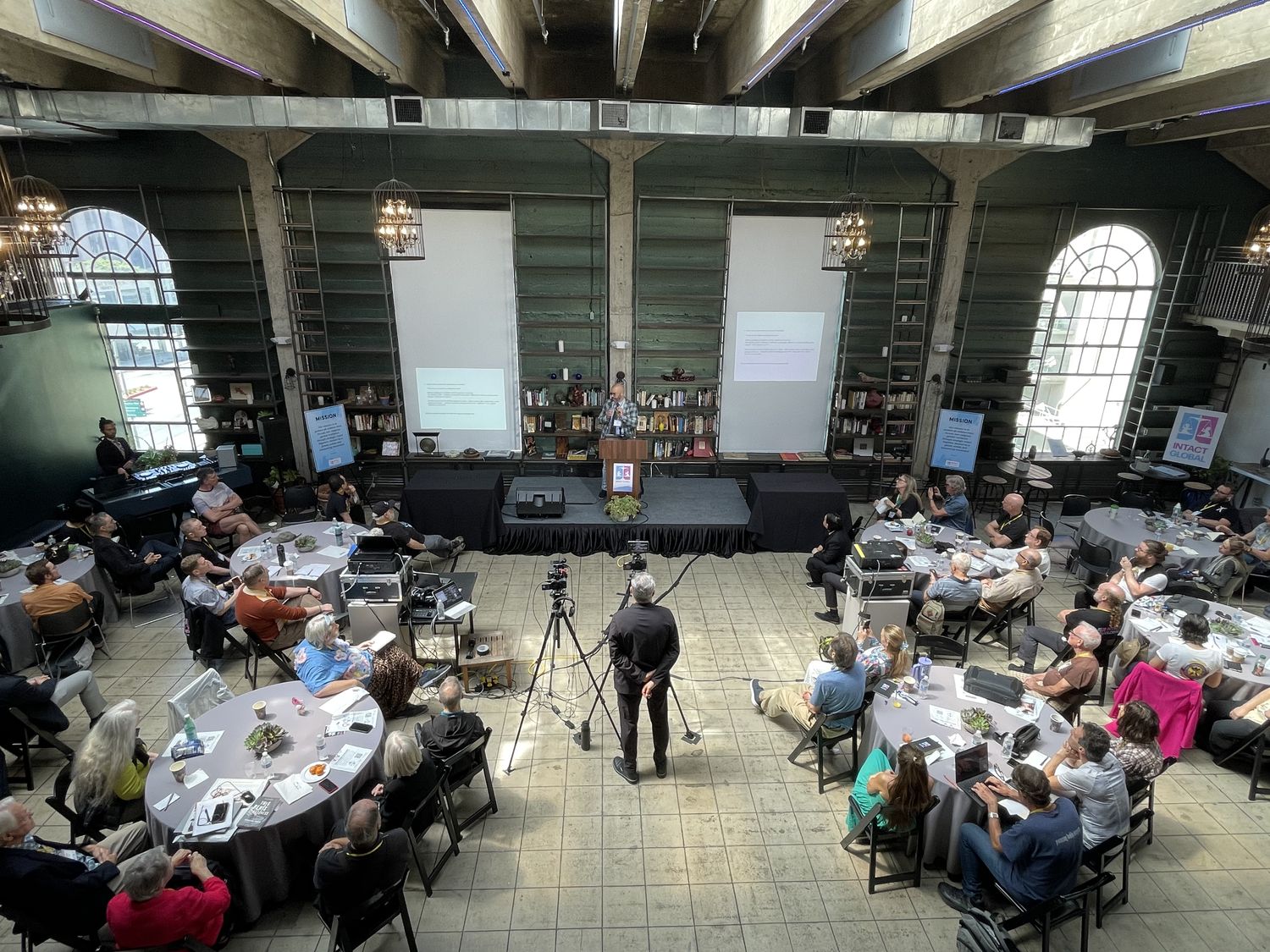
Production teams, studios, and creative businesses continue to use the room for the same reason everyone else has: it looks different from every angle, and it holds a crowd.
Historic Dancehall
Today, Historic Dancehall brings the room back to the purpose that has followed it through almost every chapter of its life: putting people together.
Ceremonies, cocktails, dinner, and dancing beneath the room's historic architecture.
Explore Weddings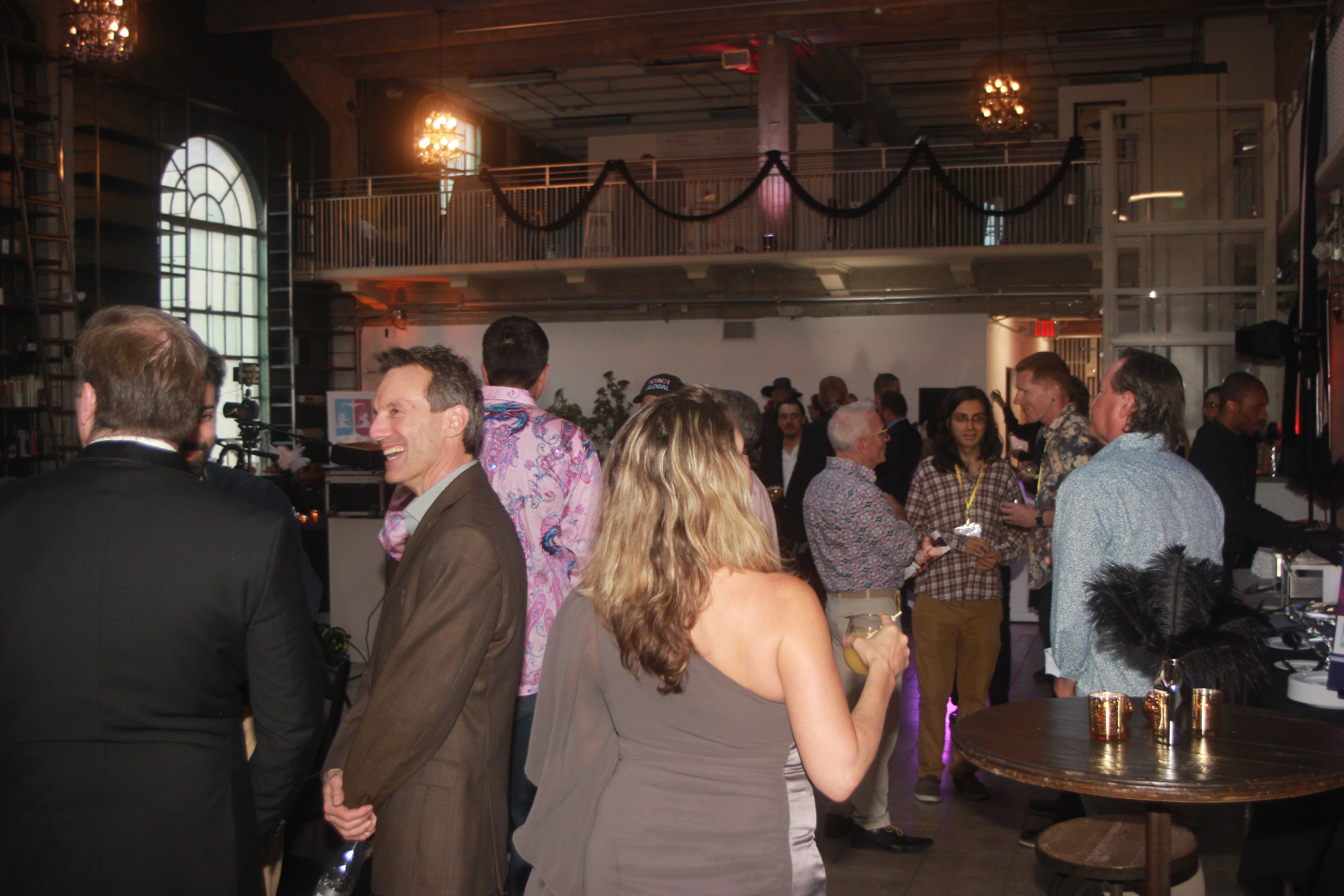
Birthdays, premieres, galas, fundraisers, launches, cocktails, performances, and nights worth remembering.
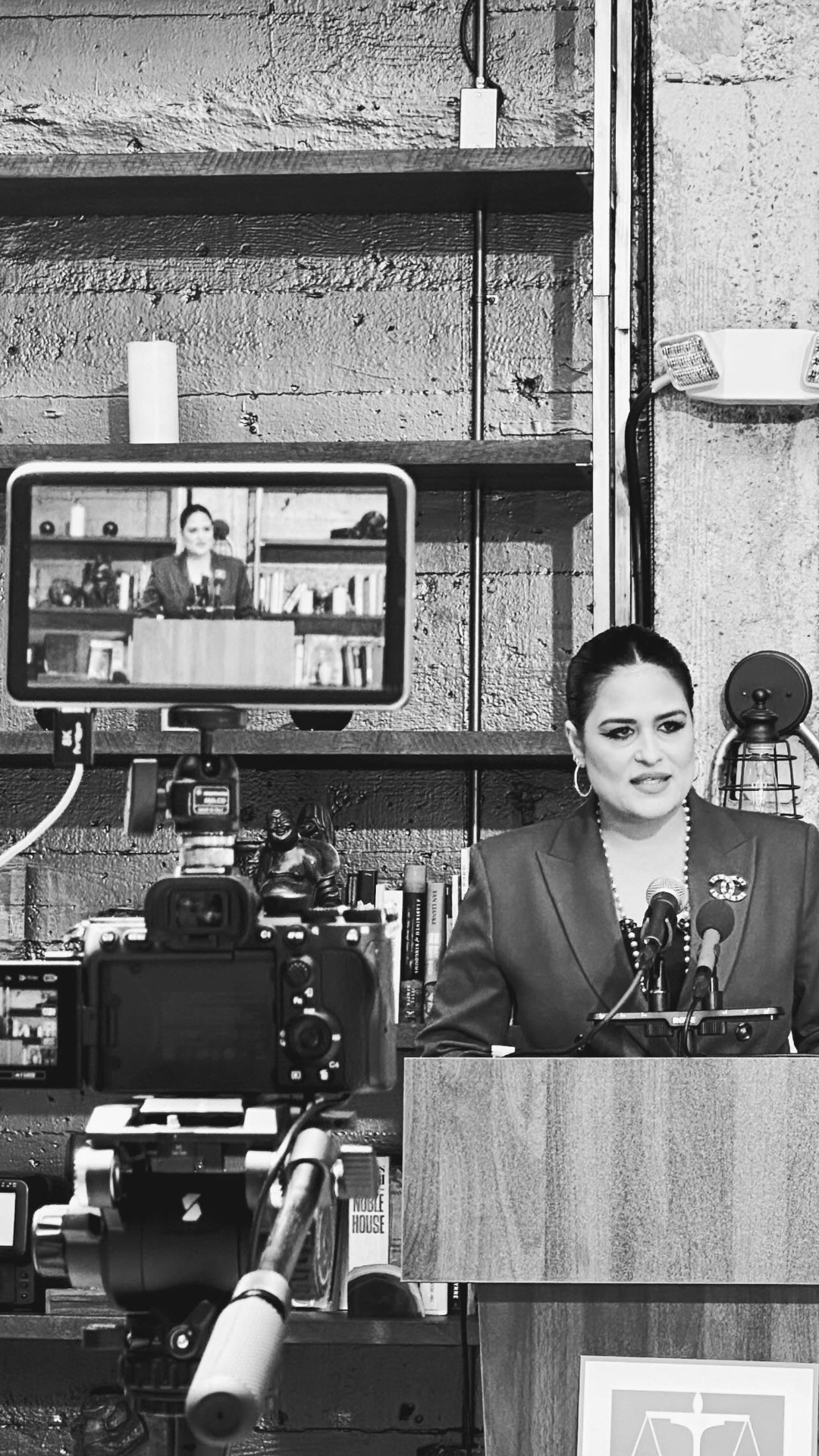
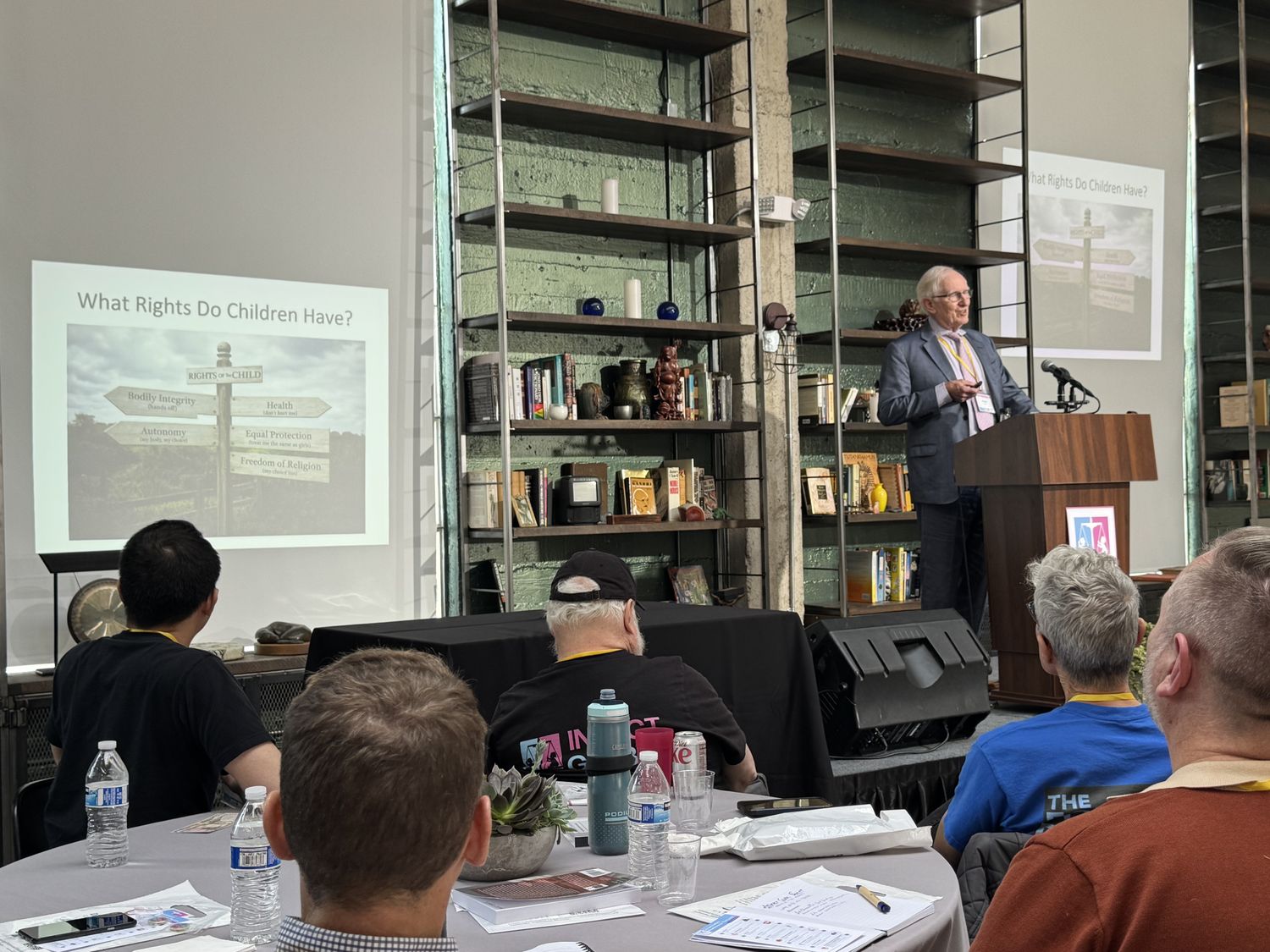
Explore CelebrationsKeynotes, panels, roundtables, filmed presentations, and conversations that carry on a century-old tradition of ideas in the room.
Explore ConferencesPhotography, film, sound, interviews, performance, and production inside a venue that looks different from every angle.
Explore ProductionThe room keeps changing because Los Angeles keeps changing.
Chronology
The names changed. The reason people came here did not.
1907
Los Angeles City Club founded.
1924–25
City Club Building constructed at 833 S Spring Street.
1920s
Grand dining room hosts civic gatherings, lectures, debates, meetings, and recitals.
1932
City Club leaves 833 S Spring.
1932–1930s
833 Club and later Forty-One Club bring jazz, dancing, nightlife, and club culture upstairs.
1938
Roseland Roof taxi-dance hall opens in the former City Club dining room.
1943
Ben and Ed Fenton acquire the Roseland Roof.
1943–1980
Roseland Roof operates through decades of changing downtown Los Angeles.
1980s–1990s
Dance-hall tradition continues under later ownership; the space eventually becomes known as Dreamland.
c. 2000
The taxi-dance era ends.
2000s
Artists, photographers, galleries, music, fashion, design, and creative uses return.
2009
Renovation era / Primrose Design Building.
Recent Years
Film, photography, events, production, creative and technology uses.
Today
Historic Dancehall welcomes weddings, celebrations, conferences, productions, performances, and private gatherings.
Your Turn
For a century, people have come to 833 South Spring Street to gather around ideas, music, meals, performances, milestones, and one another. Bring your people into the room—and become part of what happens next.
Historical narrative drawn from the Doves Today “Dancing Girls” historical research series, the City Club of Los Angeles souvenir bulletin (1924), and publicly available archival material including Los Angeles Public Library and university digital archive collections.
Archival illustrations of the City Club Building and its dining room are reproduced from period club literature. The wide Spring Street photograph carries its own digital reproduction credit on the image. Photographs of the building exterior and the Spring Street sign were supplied as part of the historical research for this page; no ownership is asserted by Historic Dancehall.
Contemporary photographs: Historic Dancehall, 833 South Spring Street, Los Angeles.